 Jems
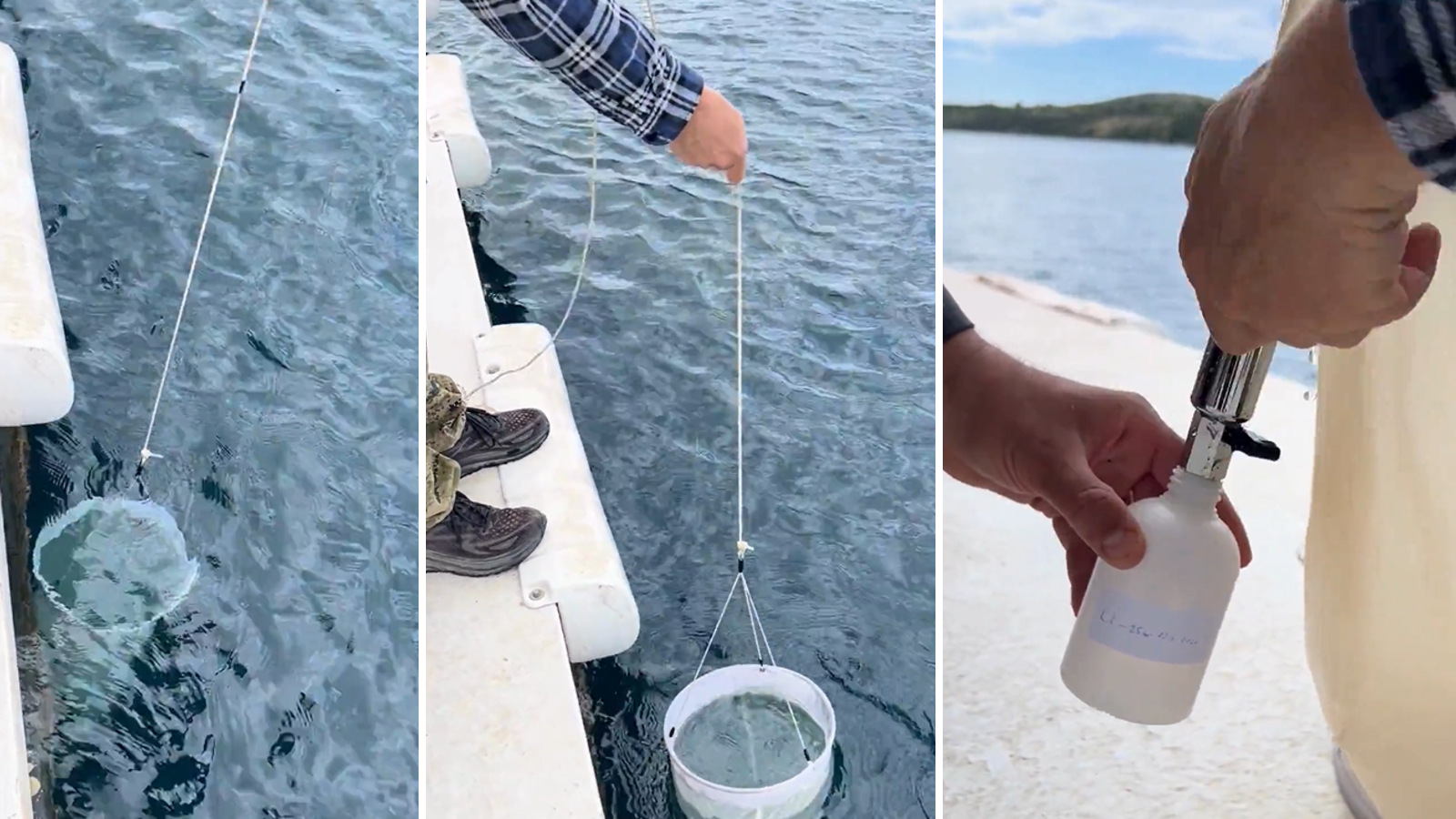
Researchers from the Institute of Oceanography and Fisheries in Split have identified anchovy and sardine eggs and larvae in plankton samples collected in cooperation with local fishers, providing new evidence of spawning activity in the eastern Adriatic.
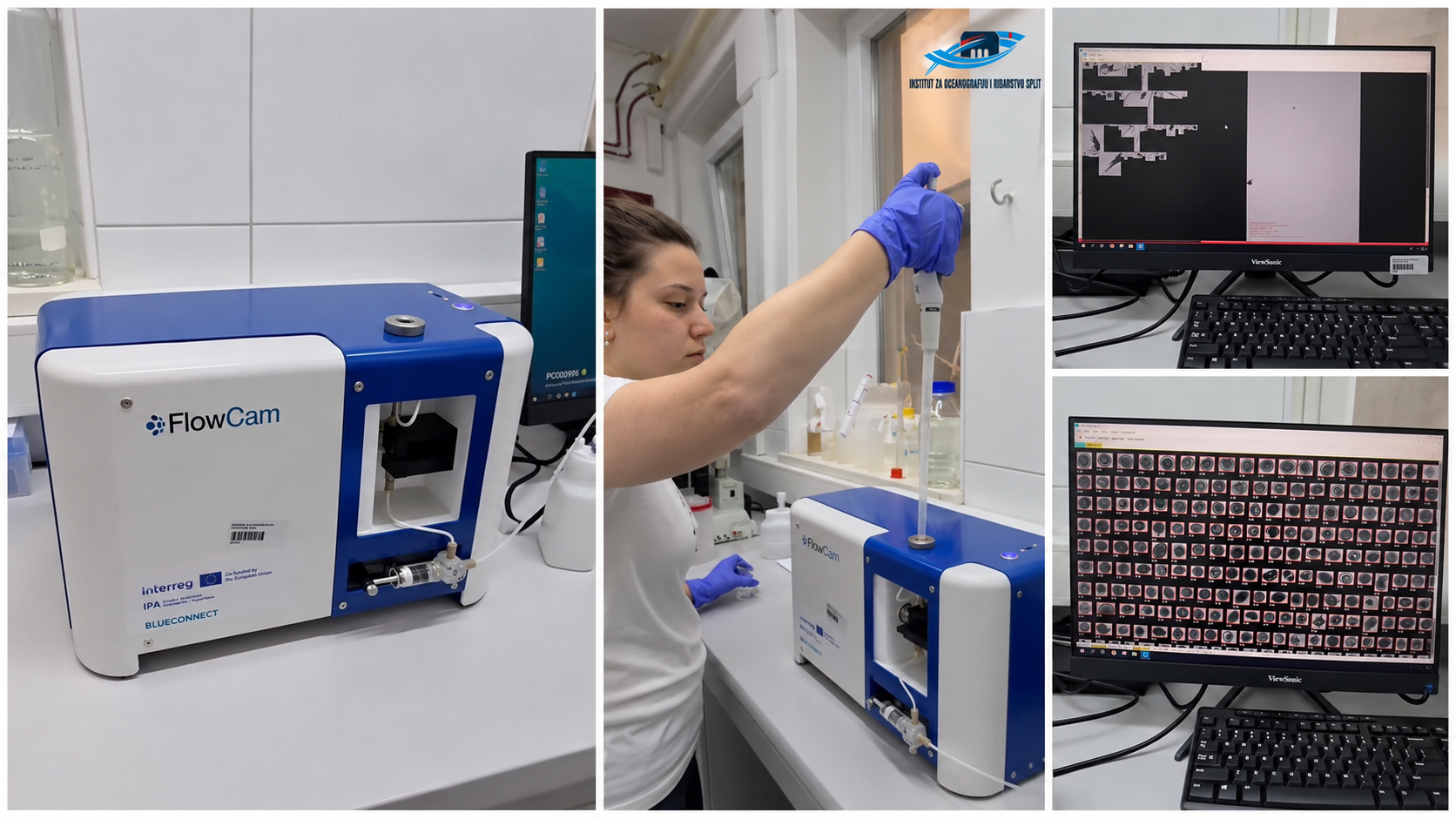
The findings were obtained through a pilot activity carried out within the BLUECONNECT project at the Eastern Adriatic Fishery Advocacy Center, established by the Institute. Researchers analysed 20 plankton samples collected during regular commercial fishing trips in both warmer and colder parts of the year, using conventional microscopy and the FlowCam Macro automated imaging system.
The results provide valuable baseline data for further monitoring and assessment of the monitored area, including the potential need for protective measures in certain locations. They also demonstrate how innovative automated imaging technologies can support more efficient plankton analysis and contribute to improved fisheries monitoring.
As part of a related activity, the Institute also tested the FlowCam 5000 system for monitoring shellfish larvae in the Krka River estuary. Following adjustments to the instrument settings, the results were comparable to those obtained through conventional microscopy, confirming the potential of this technology for regular monitoring in support of sustainable shellfish farming.
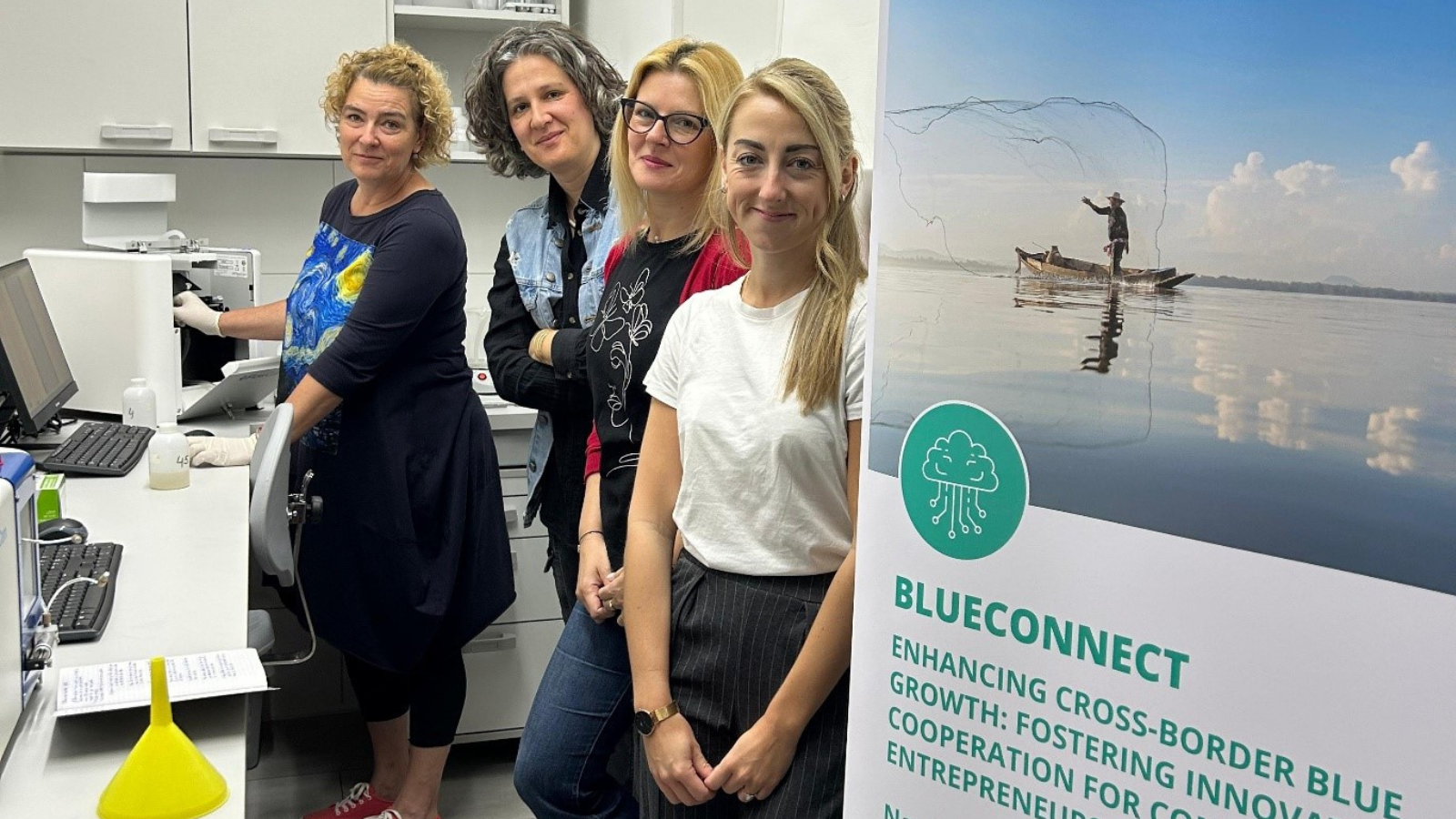
The Eastern Adriatic Fishery Advocacy Center is one of three BLUECONNECT pilot centres established across Croatia, Bosnia and Herzegovina, and Montenegro. Through these pilot activities, our project promotes the exchange of knowledge and innovative monitoring approaches, providing practical tools that research teams across the programme area can adapt to support sustainable fisheries management and the long-term protection of marine resources.