
 Jems
Jems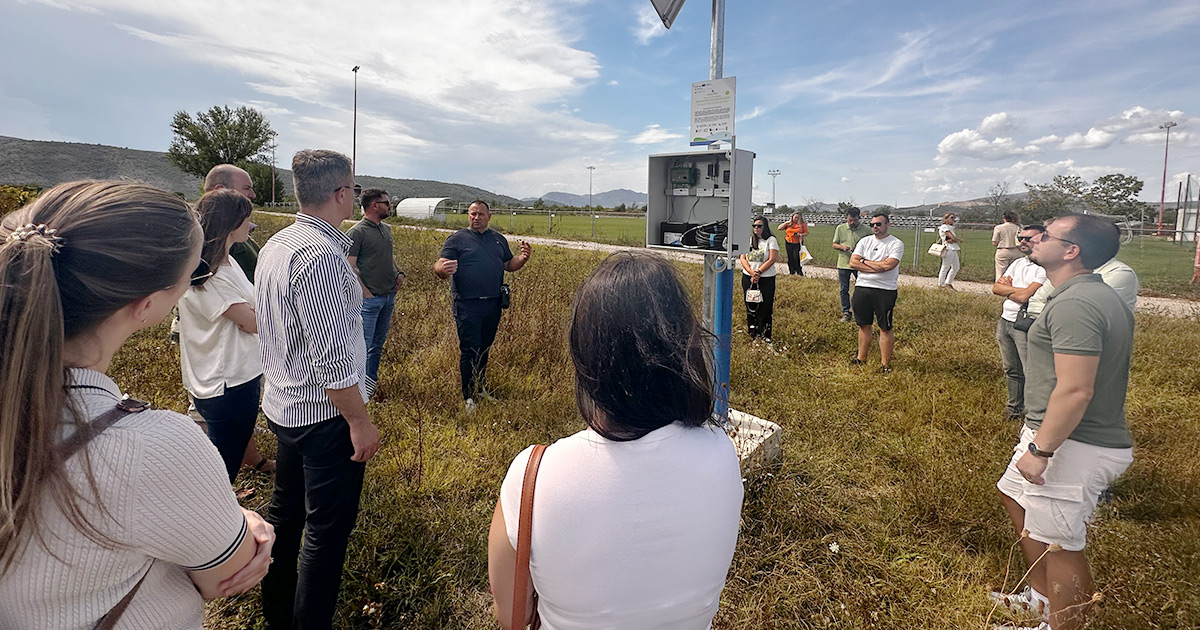
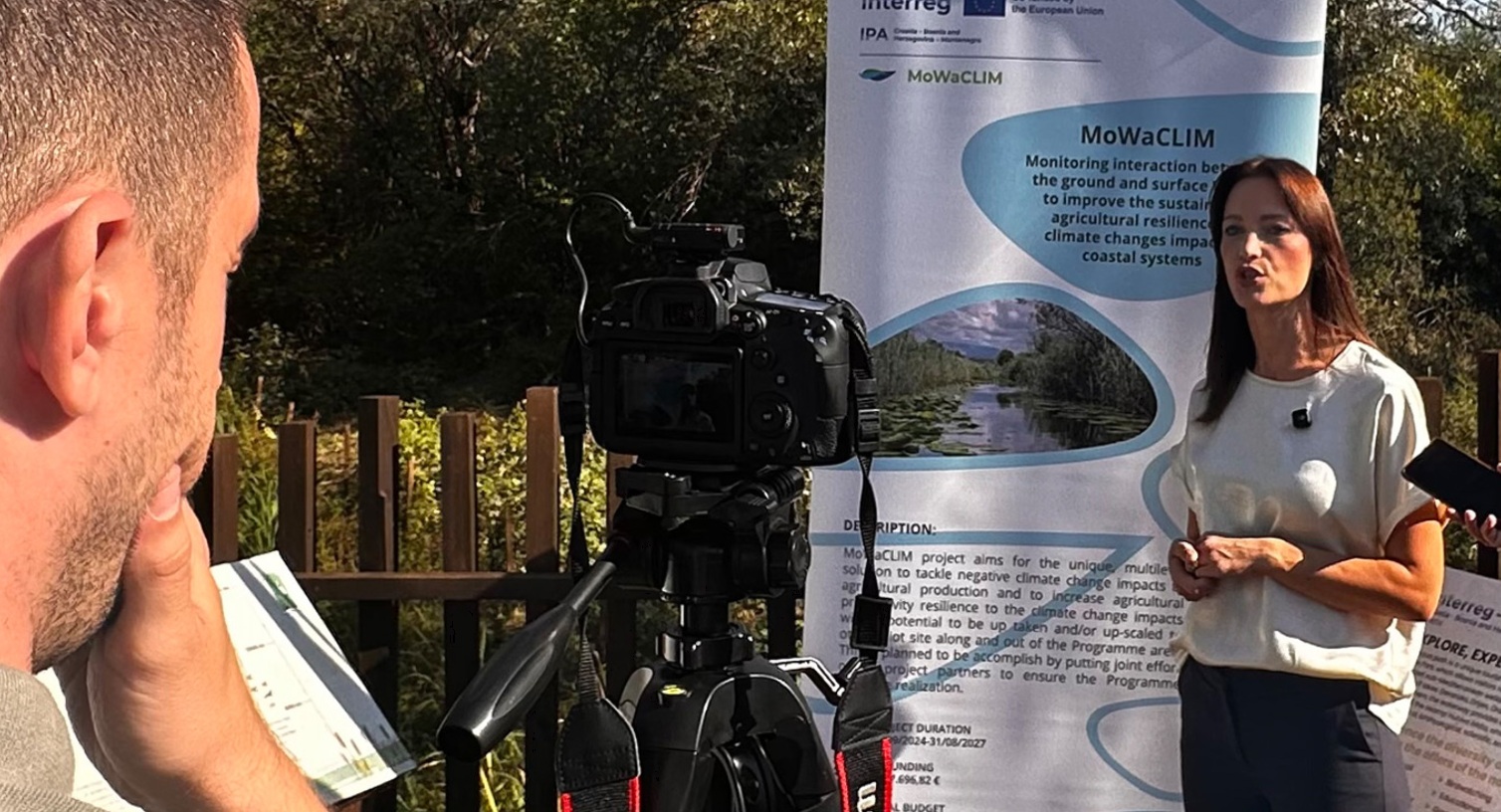
Seawater is advancing deeper into the Neretva Valley, while prolonged droughts and low water levels heighten the risk of salinization, threatening the Hutovo Blato wetland and local agriculture. The cross-border MoWaCLIM project is monitoring both surface and groundwater to assess the impacts of climate change on farming and biodiversity.
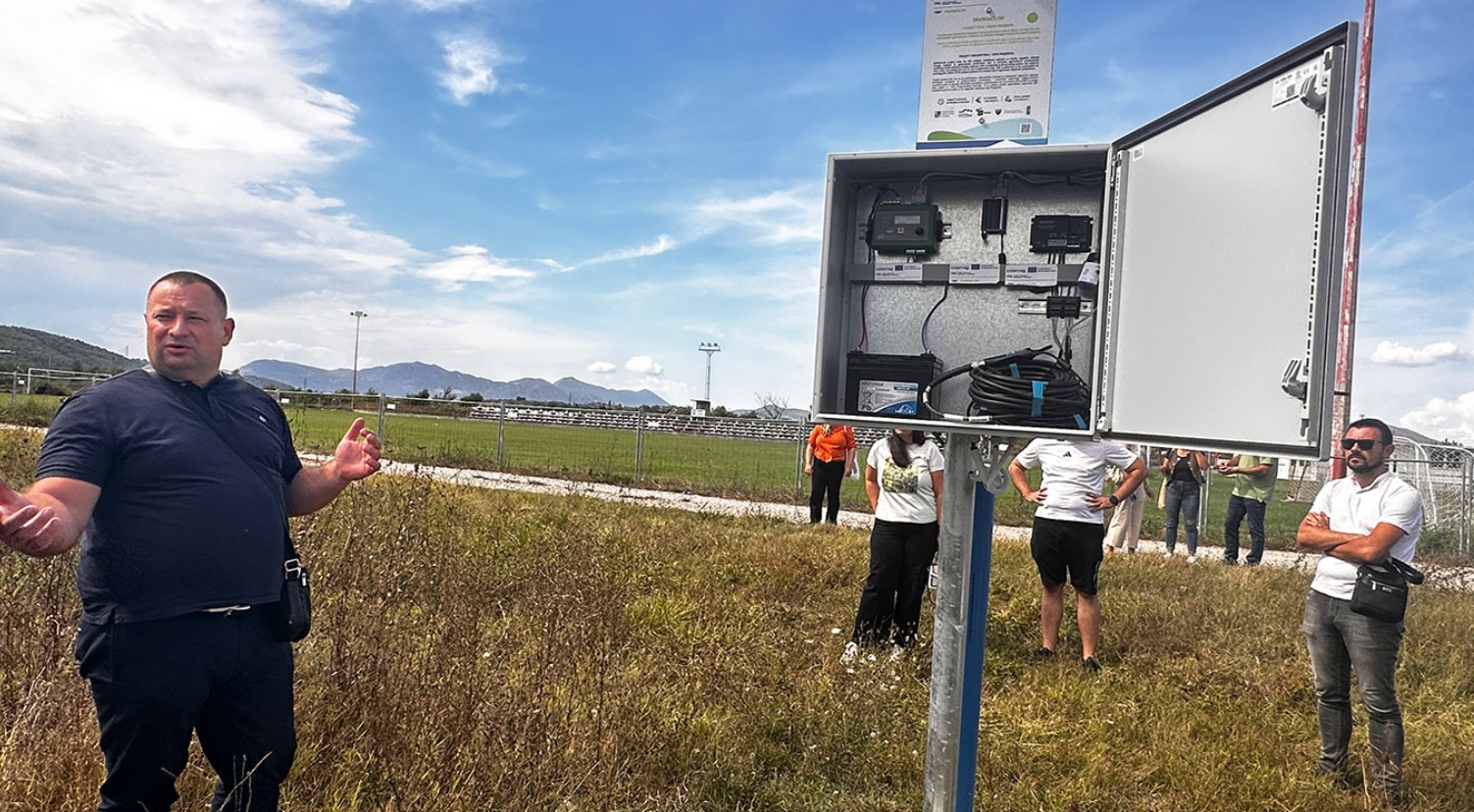 To mark International Water Monitoring Day on September 18, Hutovo Blato Nature Park unveiled two monitoring stations: a surface-water probe at Ustava and a groundwater station in the Višići area. These sensors continuously track temperature, salinity, pH, electrical conductivity, dissolved oxygen, nitrates, and other parameters.
Preliminary findings show no salinization in the Hutovo Blato Alluvial Aquifer, while it is present in the Čapljina Alluvial Aquifer but not yet considered alarming. During dry spells, freshwater levels at the Metković Bridge profile drop 40–60% below official records. When the Neretva’s flow falls under 250 m³/s, a saltwater wedge pushes upstream, salinizing the valley.
The effects are also evident in mandarin orchards, where canopy temperatures reach 42°C or higher, causing sunburn damage and reducing fruit market value.
Valued at €1.51 million, MoWaCLIM is EU co-funded through Interreg VI-A IPA Croatia–Bosnia and Herzegovina–Montenegro. The project brings together five partners across two countries and includes development of the HydroAgroCloud platform for sustainable agriculture.