
 Jems
Jems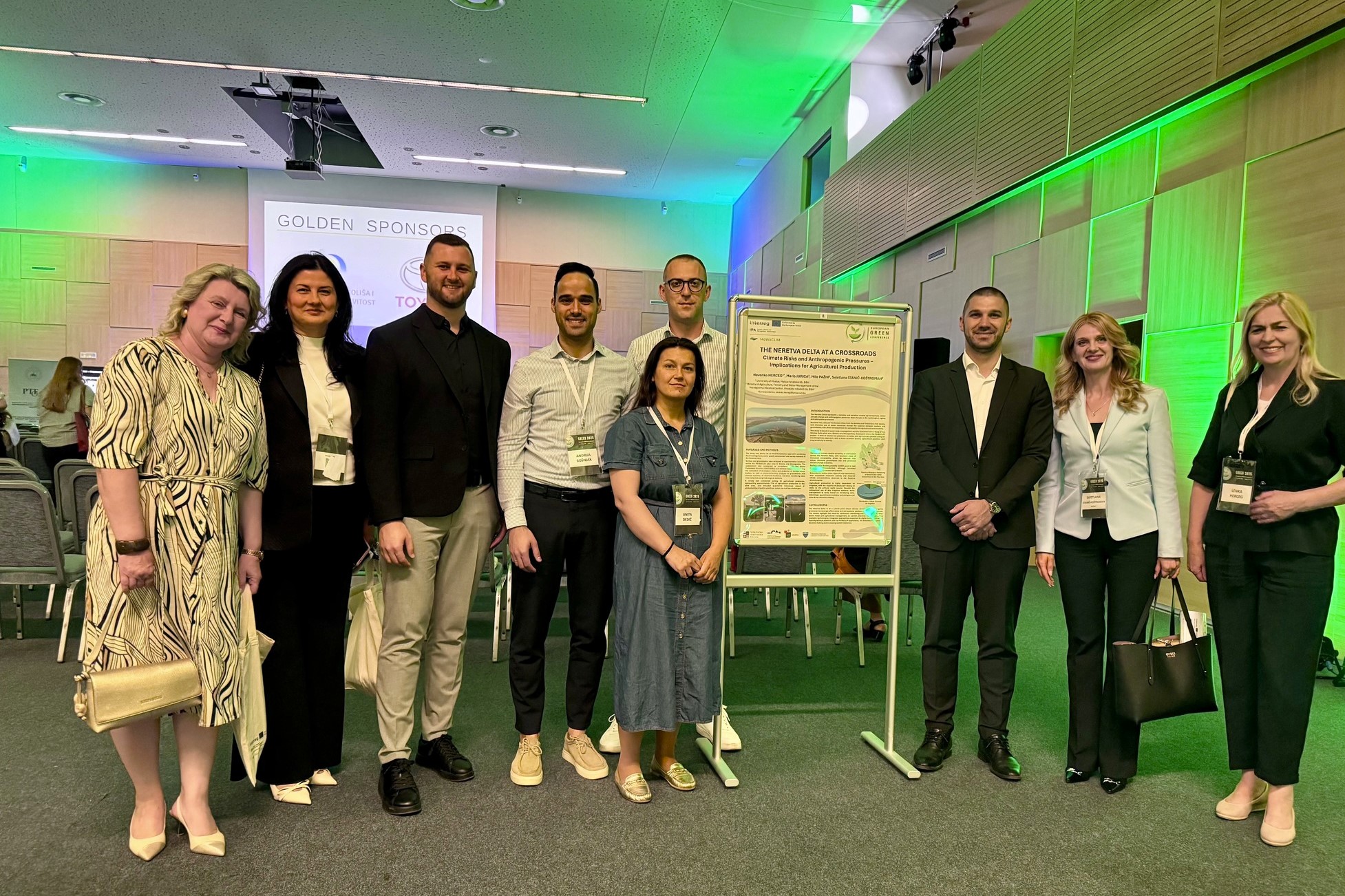
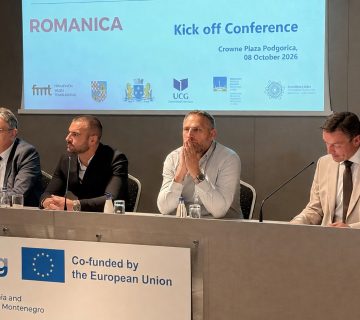
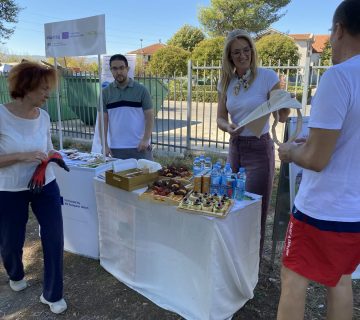
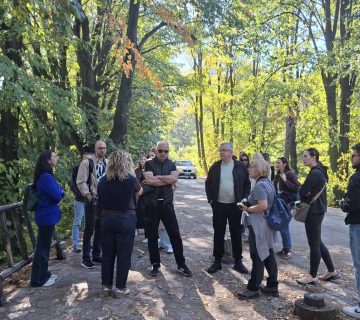
The results of the MoWaCLIM project were presented at the 4th European GREEN Conference (EGC 2026) in Vodice at the end of May, which brought together experts and institutions focused on climate resilience and sustainable development. Project stakeholders presented key findings on water management and agricultural resilience in the Neretva Delta.
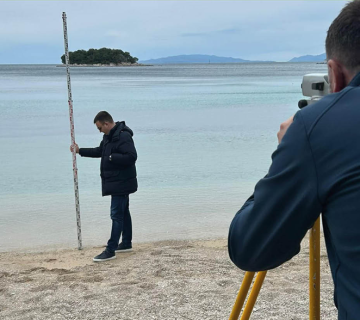
The results show spatial variability in salinisation, with higher vulnerability in areas affected by reduced river inflow, intensive groundwater use, and climate change. Surface waters generally demonstrate good to high ecological status, while local eutrophication pressures remain present. Groundwater shows mild salinisation, with occasional moderate salinity and elevated nitrates in the Čapljina aquifer. Agriculture is highly irrigation-dependent, mainly relying on wells, while data-based water management remains limited despite available irrigation and digital tools.
Overall, the Neretva Delta is under significant combined climate and human pressure, especially regarding salinisation risks. The findings highlight the need for continuous monitoring and a transition to data-driven management with use of digital tools such as HydroAgroCloud and the MoWaCLIM application.
The event also provided a valuable platform for networking, knowledge exchange and building new partnerships, further increasing the visibility of MoWaCLIM and its contribution to sustainable water management and climate-resilient agriculture.