
 Jems
Jems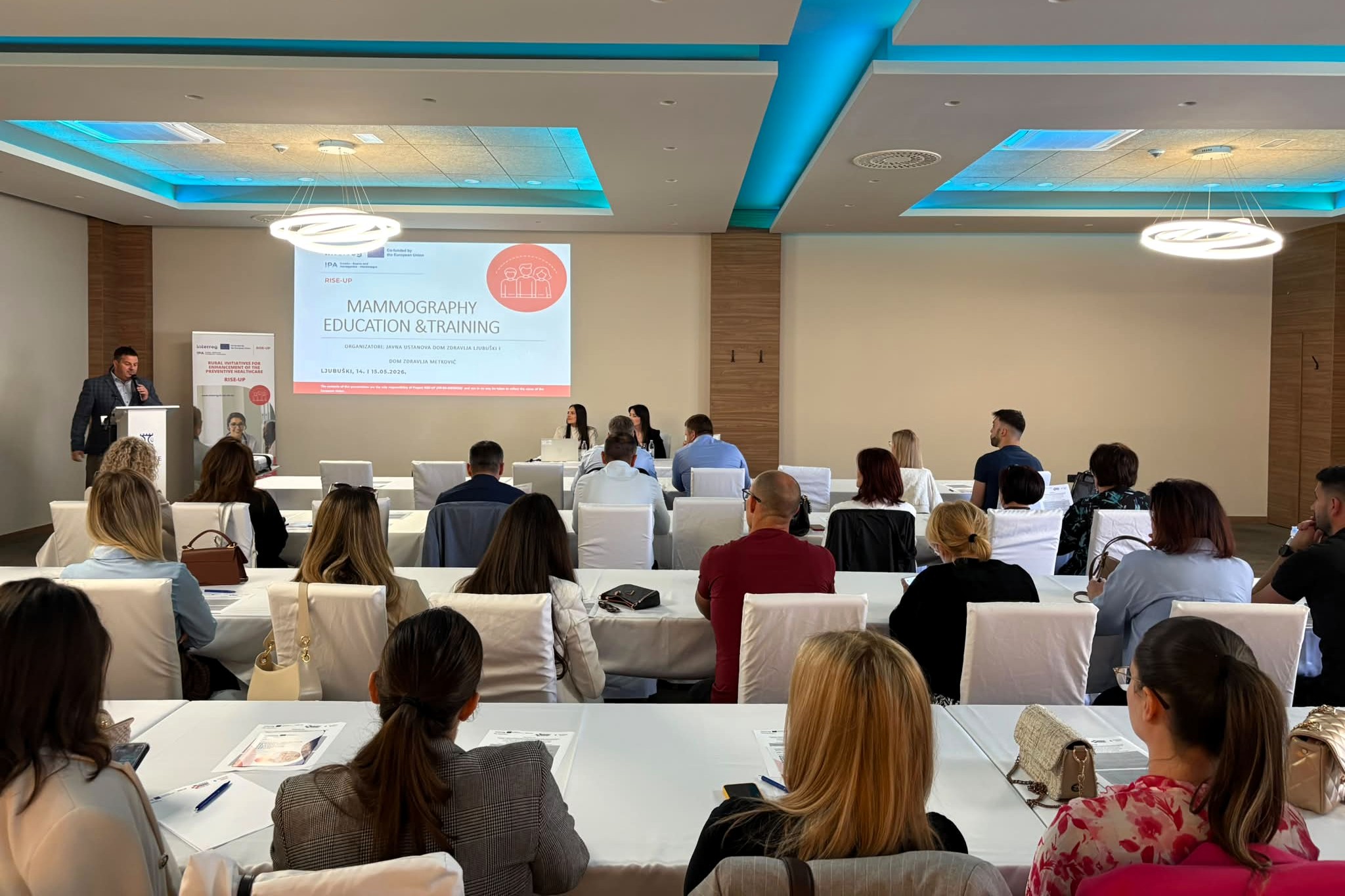
Within the framework of the cross-border cooperation project RISE-UP, a comprehensive three-day Mammography Education & Training programme was successfully delivered, bringing together healthcare professionals and experts in radiological breast diagnostics.
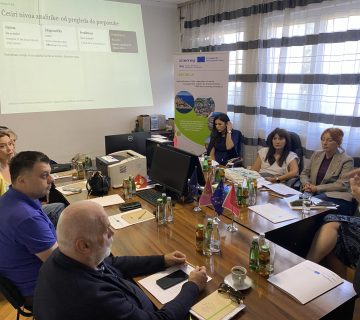
The training was delivered over three days, beginning with an online session on 5 May and continuing with two in-person days in Ljubuški on 14 and 15 May. The programme gathered radiologists, radiology technologists, and healthcare professionals from partner and other healthcare institutions, all with a shared goal of strengthening competencies in breast imaging and diagnostics.
Focus on modern breast imaging practices
Across the three-day programme, participants explored key topics in contemporary breast diagnostics, including BI-RADS classification, screening and diagnostic pathways, and the advantages and limitations of different imaging modalities such as mammography, ultrasound, and MRI.
Special attention was given to digital mammography and the evolving role of advanced imaging technologies in early detection of breast cancer and precancerous lesions. Experts also highlighted the importance of image quality, technical execution, and standardized interpretation in improving diagnostic accuracy.
Learning through practice and case discussion
A particularly valuable part of the training was the interactive workshop session, where real clinical cases were presented and jointly analysed. This approach encouraged active discussion, exchange of experiences, and practical problem-solving among participants.
The round table session further strengthened professional dialogue between participants and lecturers, allowing for open questions, sharing of clinical challenges, and discussion of best practices in everyday diagnostic work.
Strengthening cross-border cooperation
The training also served as an important platform for networking and professional collaboration between institutions involved in the RISE-UP project. By bringing together experts from different healthcare systems, the programme contributed to harmonizing knowledge and improving diagnostic standards across the region.
Conclusion
The three-day Mammography Education & Training successfully reinforced the importance of continuous professional education, interdisciplinary collaboration, and the use of modern diagnostic approaches in breast imaging. Participants left the programme with improved knowledge, practical insights, and strengthened professional connections.