
 Jems
Jems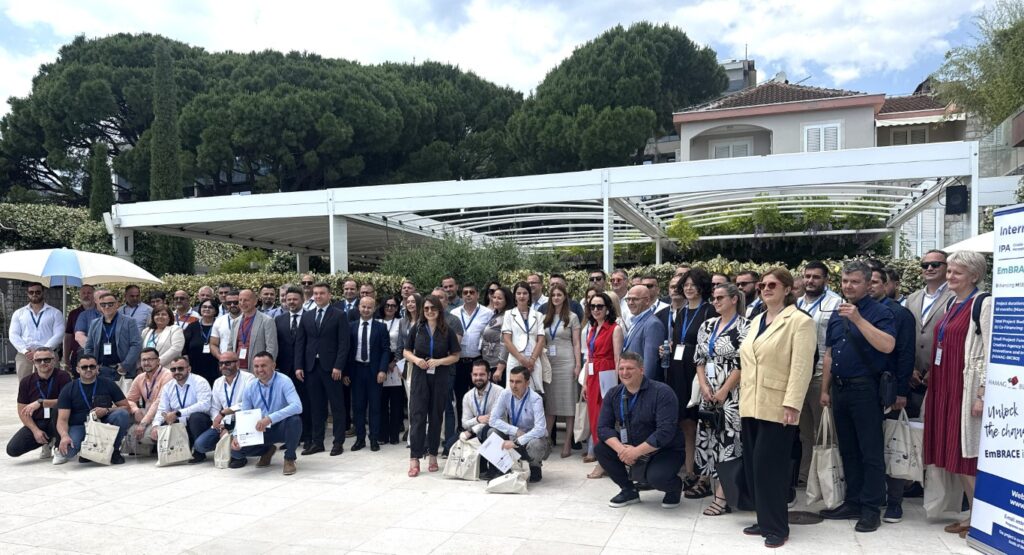
HERCEG NOVI, 26 May 2026 – Within the framework of the second call under the Small Project Fund (SPF) of the EmBRACE project, implemented by the Croatian Agency for SMEs, Innovation and Investments (HAMAG-BICRO), contracts were signed for 26 new cross-border cooperation projects involving a total of 76 micro and small enterprises from Croatia, Bosnia and Herzegovina, and Montenegro.
The total value of these SPF projects amounts to EUR 5,687,759.24, of which EUR 4,834,595.36 has been awarded as non-repayable grants under the Interreg VI-A IPA Croatia – Bosnia and Herzegovina – Montenegro 2021–2027 Programme. The total value of the EmBRACE project is EUR 11,764,706, and through two calls, micro and small enterprises from the three participating countries have, for the first time, been granted a total of EUR 8,935,324.26 in non-repayable funding for 50 small-scale projects involving 142 micro and small enterprises from Croatia, Bosnia and Herzegovina, and Montenegro.
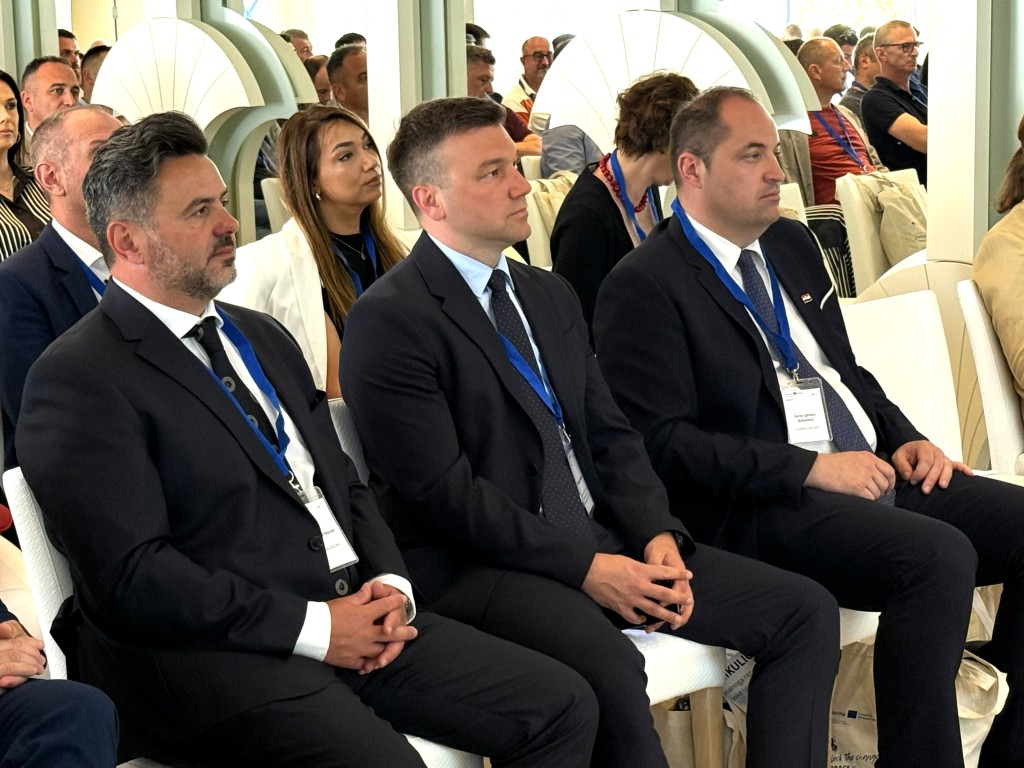
The interim conference and ceremonial contract award event for cross-border projects was opened with a welcoming address by Zdravko Ilić, representative of the Delegation of the European Union to Montenegro, who emphasized: “EmBRACE is an excellent example of two key priorities of the European Union in the region. On the one hand, we support the Western Balkans in stimulating economic growth and creating new jobs, with small and medium-sized enterprises playing a crucial role in this process. On the other hand, strengthening economic and social ties across borders lies at the very heart of the Interreg programme. The business community recognizes this project as an opportunity, and I am confident that the partnerships established through EmBRACE will continue to operate successfully even after the project ends.”
Domagoj Mikulić, State Secretary at the Ministry of Regional Development and EU Funds of the Republic of Croatia, highlighted in his opening remarks the importance of strengthening entrepreneurship in the border regions of Croatia, Bosnia and Herzegovina, and Montenegro. “The objective of this Interreg programme is to improve the quality of life of citizens living in border areas, while also strengthening cooperation and trust between our countries. Through this programme, a wide range of projects is supported in the fields of healthcare, tourism, energy efficiency, circular economy, climate change adaptation, as well as entrepreneurship, which is a new component of this programme. Today, we are awarding contracts for 26 entrepreneurial projects with a total value of EUR 5.7 million, of which EUR 4.83 million comes from EU funds. I am pleased with the strong interest shown in the second call under the EmBRACE project; the total value of applications exceeded the available EU funding by six times, and through the two calls for co-financing micro and small enterprises, we have secured more than EUR 8.9 million in EU funding,” said Mikulić.
Speaking about the importance of the EmBRACE project for Montenegrin entrepreneurs, Miloš Marković, Director General of the Directorate for European Territorial Cooperation at the Ministry of European Affairs of Montenegro, stated: “Under the second call of the EmBRACE Small Project Fund, EUR 3 million in European Union funding was initially allocated for micro and small enterprises. Due to the high number of quality applications, this amount was subsequently increased. In the end, 26 projects were contracted, with a total value of nearly EUR 5.7 million, of which more than EUR 4.8 million is supported by the European Union. We are particularly pleased that Montenegrin companies participate in as many as 25 projects. Nearly EUR 1.8 million has been secured for their activities, of which more than EUR 1.5 million comes from EU funds. This demonstrates that small enterprises in the region possess the knowledge, ideas, and capacity to utilize European funds and develop joint projects. I would like to thank all partners and institutions that contributed to the implementation of this call, as well as the project beneficiaries for their commitment and readiness to contribute to regional economic development through cooperation.”
Nevena Marilović, Senior Adviser at the Directorate for European Integration of Bosnia and Herzegovina, stressed the importance of strengthening cross-border cooperation among entrepreneurs in the region. “The projects for which contracts were ceremonially awarded today to final beneficiaries are of particular importance because they directly contribute to economic development, strengthening competitiveness, and better integration of the markets of the participating countries. They enable entrepreneurs to exchange knowledge and experience, develop joint products and services, gain easier access to new markets, implement pilot activities, and establish long-term business partnerships. In addition to their economic impact, such projects also have a significant social dimension, as they encourage the creation of new jobs, strengthen local communities, and contribute to building trust and cooperation among people and institutions across borders, thereby reinforcing overall social cohesion in the cross-border area,” she concluded.
Vjeran Vrbanec, President of the Management Board of HAMAG-BICRO, emphasized the importance of European funds in strengthening cross-border cooperation and the competitiveness of entrepreneurs in the region: “By ceremonially presenting contracts today to entrepreneurs operating in cross-border areas, we have once again demonstrated, in the best possible way, how the use of European funds contributes not only to the improvement of individual businesses, but also to the competitiveness of the economy as a whole. We are therefore confident that these EUR 4.83 million in non-repayable grants will result both in improved quality of products and services and in deeper business relations among the partner companies participating in this project.”
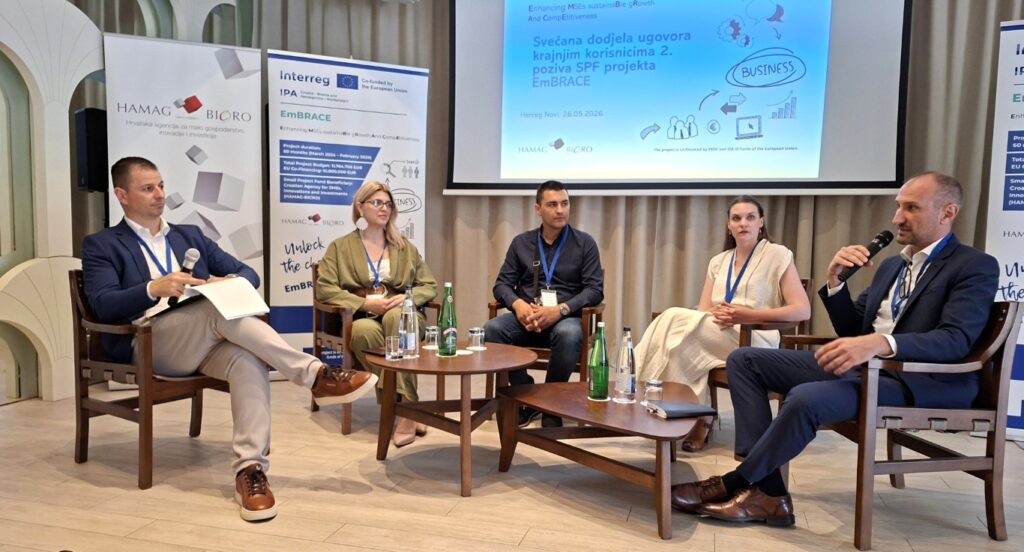
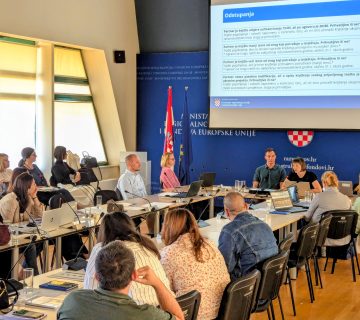
During the conference, a panel discussion was also held, during which participants had the opportunity to learn more about the experiences of beneficiaries from the first EmBRACE call. In addition, representatives of the Interact Programme spoke about their experience in implementing Small Project Funds and their role within Interreg programmes.